

Aaron Schuster, How to Research Like a Dog


 # 149
# 149
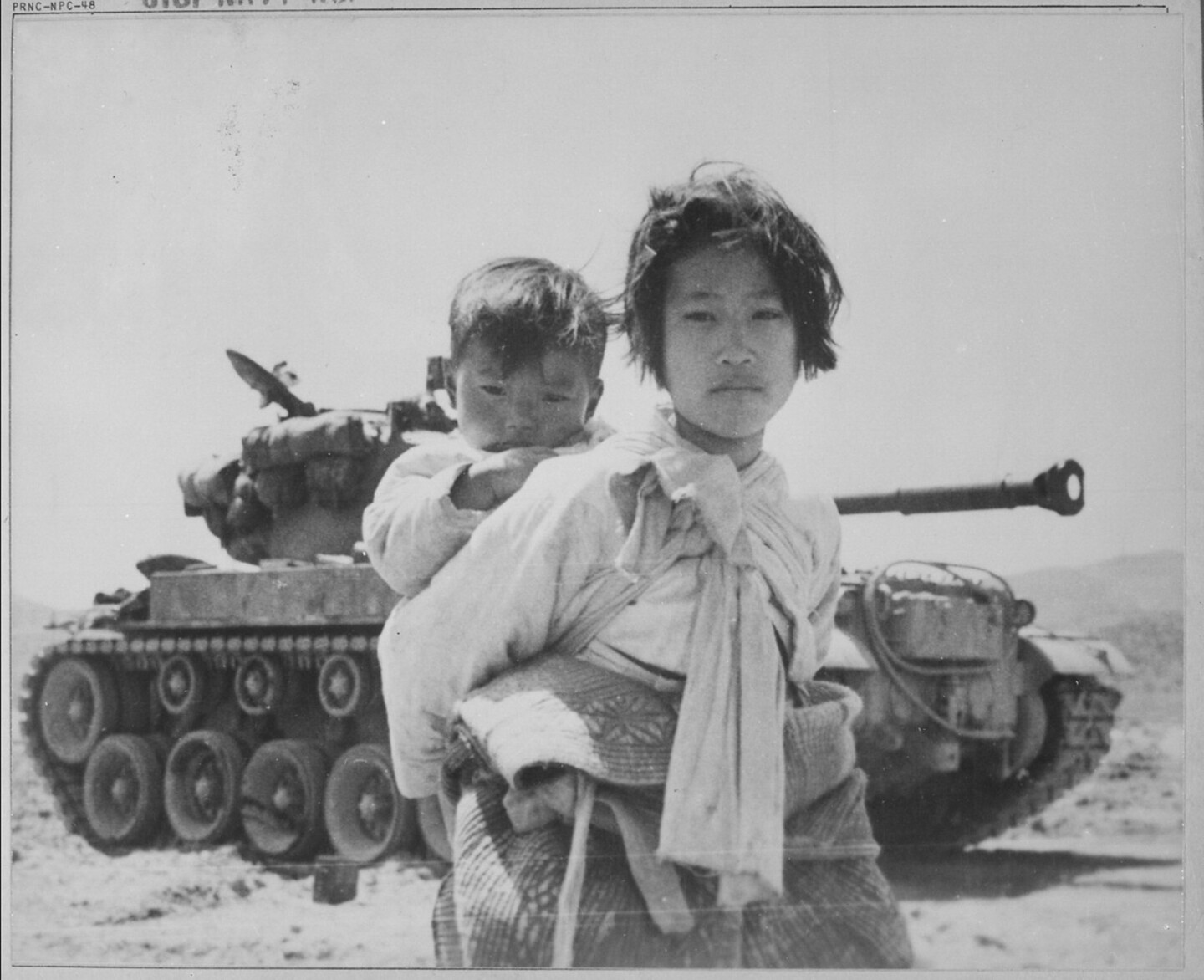
For Choi, time becomes fused and stuck around trauma. To experience profound grief is to be taken out of the flow of time, yet “temporal magic” is what allows for an escape from the inexorable and crushing movement of history: grief as resistance and resistance as grief. There are very good reasons to lose one’s narratives, both as individuals and as nations. One of the goals of experimental writing like Choi’s is to disrupt official narratives, histories, and images along with, more importantly, their meanings—although they’re more like presumptions and predispositions—because narrative is a prime vehicle in which to smoothly embed them.

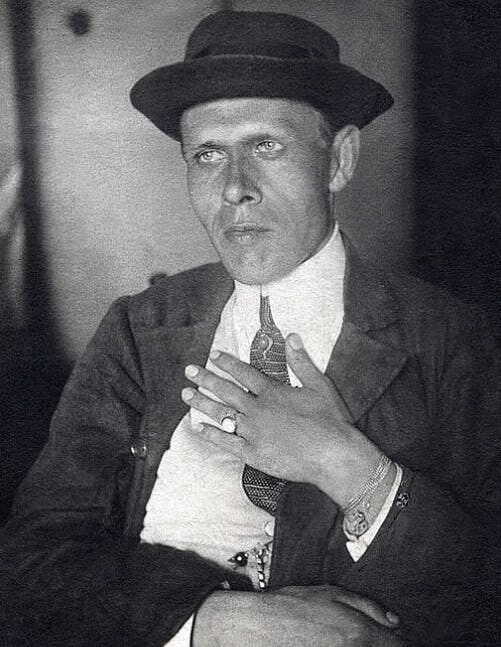
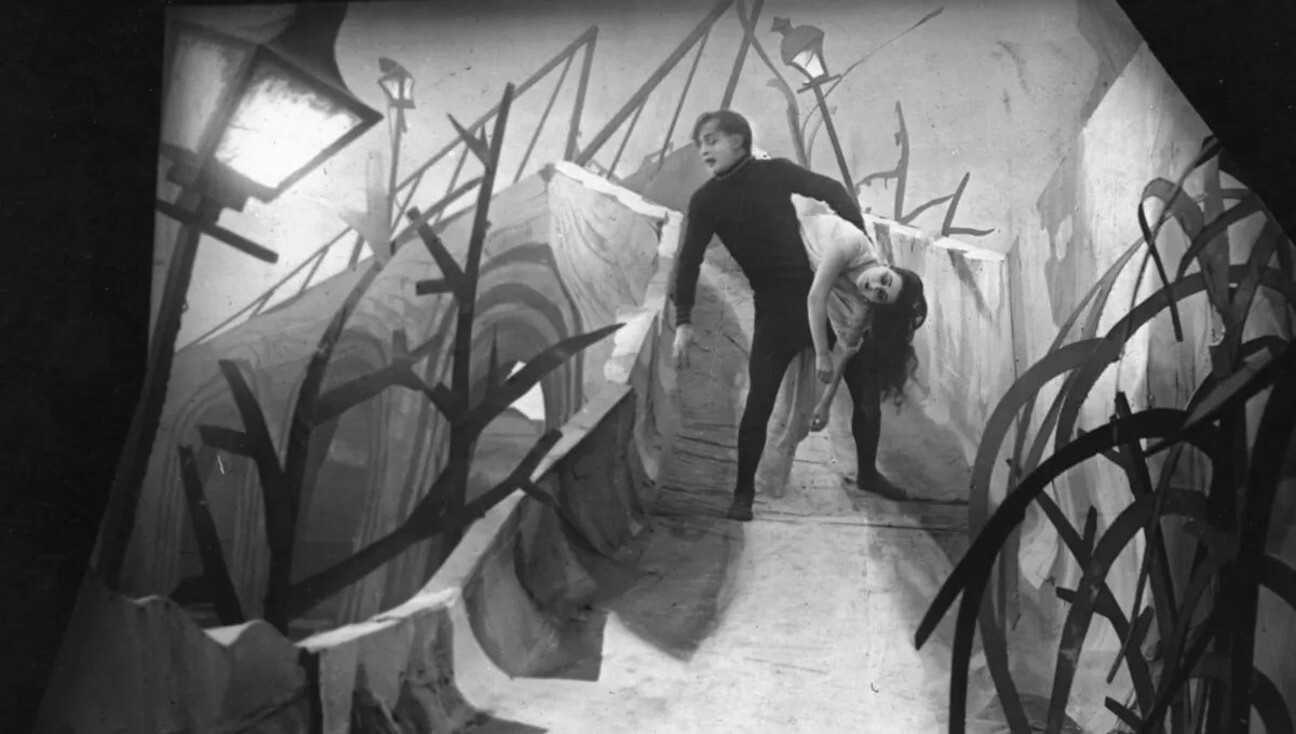
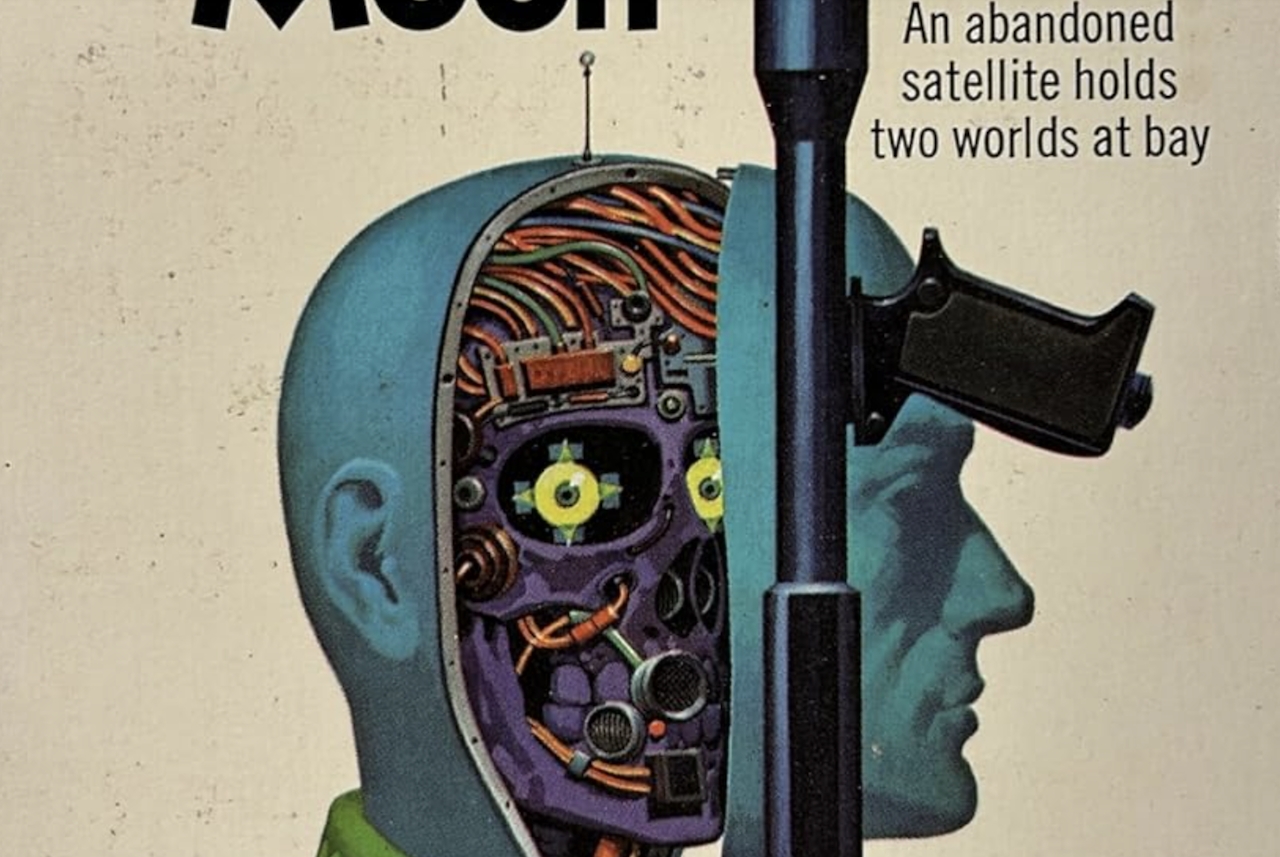

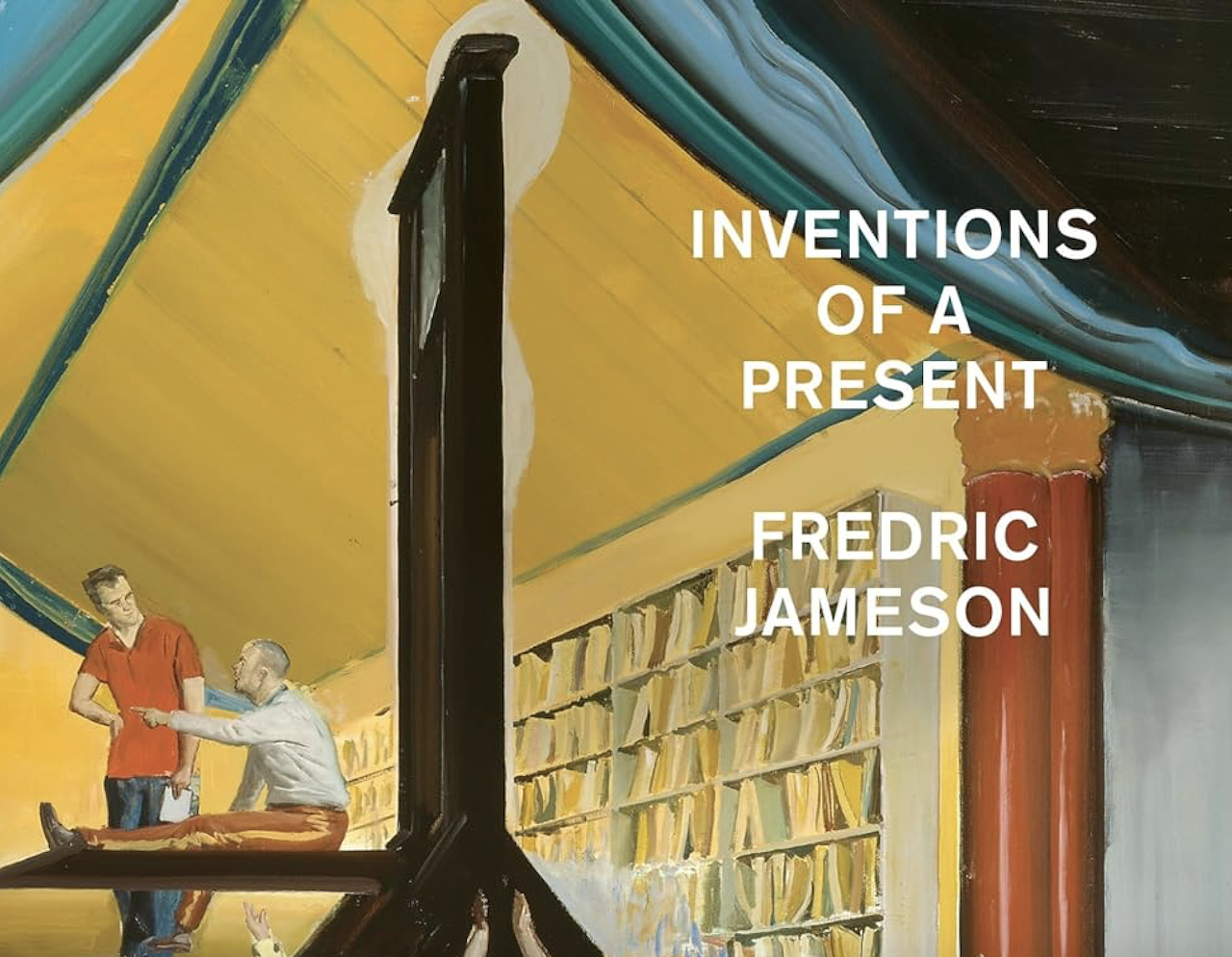
Over a decade’s worth of essays: movies of America in parallax view.
“When an empire is lurching to a halt at its very end, it might be the moment when it begins, or is forced, to re-imagine its relationship to a national insanity.

 # 144
# 144
The entire mystery of the universe was contained in the poetics and the fact that you can’t ever find the stress. You can’t locate it exactly because it’s this blank place. I think that when you write a poem, you actually enter a blank space. And when you’re writing, you are actually feeling nothing. What the poetry is about is not taking place. Some blank thing is happening. And then you define it by before and after. There’s some kind of bleeding between before and after your entry into the blank space.
 # 144
# 144
Music is a kind of sound, and poetry is a kind of language. Sounds are arranged into music, as language is arranged into poetry. But what’s considered “musical” or “poetic” moves us beyond formal arrangement, beyond even their respective media, into the realms of discourse. The sense of what’s “musical” and what’s “poetic” can differ and can definitely vary, but generally one looks to be moved, or even transported, into realms of feeling, spirit, and memory. This is the lyrical mode: the ancient lyre shaped words—lyrics—into rhythmic and tonal patterns to give us poem forms—elegies, odes, sonnets—carrying song through language’s musically inflected prosodies.
 # 144
# 144
The reason for the progressive collapsing of all memory into the two-dimensionality of a linguistic plane correlates to immortality, implying the infinite repetition of all possible circumstances. In other words, Borges seems to say that everyone will be everyone, sooner or later bound to write all possible books. In this conception of temporal events and their reduction to language, individual lives and consciousnesses are inexorably flattened to an infinitely repeated script: this is the final transformation of every memory into “words”—or sounds, we might add.

 # 140
# 140
The most interesting autotextual writing does one of two things, or even better, both: shows how selves are made, and makes room for a kind of self that otherwise barely gets to exist.
